
Piercings try-on
Try on piercings before you pierce
A new piercing is a small change that people notice right away. A septum ring can soften or sharpen a face, and the right helix can tie a whole ear together. Lody lets you see it on your own photo before the needle: pick a piercing type, choose a material, and compare.
Plan a curated ear with lobe, helix, tragus, conch, daith and industrial piercings, or test a nose stud against a septum ring. Try gold, titanium, black metal or a diamond stud to see which finish suits you.
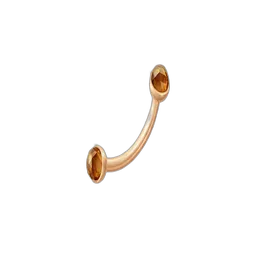
How to try on piercings in Lody
- 1
Upload a close photo
For ear piercings show your ear clearly, for face piercings take a straight-on selfie.
- 2
Choose a type and a material
Pick from 10 piercings and 8 materials, from surgical steel to rose gold and pearl studs.
- 3
Show your piercer
Save your favorite and use it to talk through placement and jewelry with a professional piercer.
What you can try
All piercings options in the app
Piercing types (10)
-
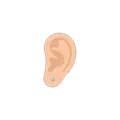 Ear Lobe
 -
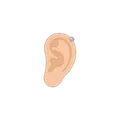 Helix
Helix -
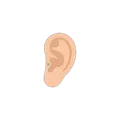 Tragus
 -
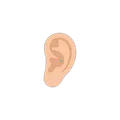 Conch
Conch -
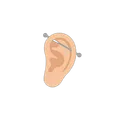 Industrial
 -
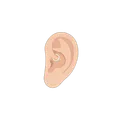 Daith
Daith -
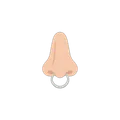 Nose Septum
 -
 Nose Stud
 -
 Lip Ring
 -
 Eyebrow
Materials (8)
- Gold
- Silver
- Rose Gold
- Titanium
- Surgical Steel
- Black Metal
- Diamond Stud
- Pearl Stud
Why try it on first
Plan your curated ear
See how a new helix or conch works with the piercings you already have.
Nose stud or septum?
Two very different looks. Try both on your face and decide in a minute.
Pick a finish you love
Gold, titanium or black metal changes the mood. Compare them before you choose jewelry.
Guides
Piercings guides from our blog
Conch Piercing: Inner vs Outer, Pain, Healing and Jewelry
Conch piercing guide: inner vs outer conch, how much it hurts, healing time, why you start with a stud, when you can wear a hoop, and how to style it.
Curated Ear Ideas: How to Plan an Ear That Looks Designed
Curated ear ideas that actually work: proven piercing combos, how to mix metals and sizes, and how to plan your ear in stages so everything heals well.
Daith Piercing: Healing, Pain, Jewelry and the Migraine Myth
Daith piercing guide: where it goes, if your ear can take one, pain, healing time, ring vs curved barbell, and what the evidence says about migraine relief.
Helix Piercing: Pain, Healing Time and Jewelry Guide
All about the helix piercing: where it goes, how much it hurts, how long it takes to heal, which jewelry to start with, and when you can switch to a hoop.
Nose Stud vs Septum Piercing: Which One Suits You?
Nose stud vs septum piercing compared: how each looks on different faces, pain, healing time, hiding it for work, and which jewelry to start with.
Piercing Pain Scale: Least to Most Painful Piercings
A realistic piercing pain scale from least to most painful: lobe, nose, septum, helix, tragus, conch, daith, industrial and more, plus tips to make it easier.
Piercing Try-On: How to See a Piercing on You Before Getting It
How to see how a piercing looks before getting it: virtual piercing try-on, fake jewelry tests, photo tips, and what to check about placement and jewelry.
Titanium vs Surgical Steel Piercing Jewelry: Which Is Better?
Titanium vs surgical steel piercing jewelry: nickel content, the ASTM grades to look for, which is better for new piercings, and where gold and silver fit in.
Tragus Piercing: What to Expect Before You Get One
A practical tragus piercing guide: placement, pain, healing time, living with earbuds, the best starter jewelry, and who should wait before getting one.
Types of Ear Piercings: Every Placement, Explained
A clear guide to the types of ear piercings: lobe, helix, tragus, conch, daith, industrial and more, with typical healing times, pain and jewelry for each.
Piercings try-on FAQ
Which piercings can I try?+
Ear lobe, helix, tragus, conch, industrial, daith, nose septum, nose stud, lip ring and eyebrow.
Does Lody tell me if a piercing is safe for me?+
No. Lody shows how a piercing looks. Placement, anatomy and aftercare are questions for a professional piercer.
Which materials are available?+
Gold, silver, rose gold, titanium, surgical steel, black metal, diamond stud and pearl stud.
What photo works best for ear piercings?+
A sharp side or three-quarter photo with your ear fully visible and your hair tucked away.


